
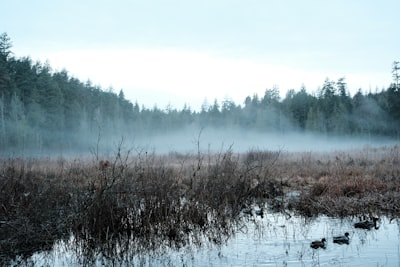
Restore Wet Areas. Protect Wildlife. Improve Your Land.
Wright Woods & Water helps landowners conserve, restore, and improve wetland areas, pond edges, low ground, drainageways, and other water-influenced parts of the property.
Wetlands are some of the most valuable natural areas on the land. They help slow water, reduce erosion, support wildlife, filter runoff, and create important habitat for birds, pollinators, amphibians, deer, turkey, and many other species.
As a family-owned land and outdoor services company, we help property owners take a practical, stewardship-focused approach to wetland conservation and restoration.
Why Wetland Conservation Matters
Wetlands do important work every day. They hold water during wet periods, release it slowly, protect soil, support plant diversity, and provide habitat for wildlife that depends on water, cover, insects, seed, and natural vegetation.
Healthy wetland areas can help:
- Slow stormwater runoff
- Reduce erosion
- Improve wildlife habitat
- Support pollinators and beneficial insects
- Create nesting and feeding areas for birds
- Improve pond and stream edges
- Add natural beauty to rural property
- Turn difficult-to-maintain areas into useful habitat
For many landowners, wet areas are often treated as problem spots. With the right plan, those same areas can become some of the most valuable habitat on the property.
Our Wetland Conservation & Restoration Services
Wright Woods & Water helps landowners evaluate wet areas and develop practical plans for conservation, restoration, and long-term management.
Our services may include:
- Wetland habitat evaluation
- Restoration planning
- Native plant recommendations
- Wet meadow and wetland planting guidance
- Pond edge and shoreline improvement
- Drainageway and low-area habitat planning
- Erosion reduction recommendations
- Wildlife habitat integration
- Pollinator and bird habitat planning
- Long-term maintenance guidance
Every site is different. We look at the land, water movement, soil conditions, existing vegetation, wildlife use, and the landowner’s goals before recommending a plan.
Turn Wet Areas Into Better Habitat
Low areas, wet fields, pond margins, and drainageways can be difficult to mow, farm, or maintain. But those same areas can often support valuable habitat when managed correctly.
A wetland restoration or conservation plan may include:
- Native wetland grasses
- Rushes and sedges
- Wet meadow wildflowers
- Shrubs for wildlife cover
- Pond-edge plantings
- Seasonal pollinator plants
- Bird and amphibian habitat
- Natural buffers around water
The goal is to create a more stable, attractive, and useful area that works with the land instead of against it.
Wetland Habitat for Wildlife
Wetland areas can support a wide range of wildlife. They provide water, cover, insects, seed, nesting areas, and travel corridors.
Improved wetland habitat may benefit:
- Ducks and other water birds
- Songbirds
- Pollinators
- Frogs and amphibians
- Deer
- Turkey
- Squirrel
- Raccoon
- Small game
- Beneficial insects
Wetlands can also connect with nearby woods, fields, food plots, ponds, and creek bottoms to improve the overall wildlife value of a property.
Pond Edges, Drainageways & Wet Meadows
Not every wetland project is a large restoration. Many landowners simply need help improving smaller wet areas that already exist on the property.
We can help with:
- Wet pond banks
- Seasonal wet spots
- Field edges that hold water
- Low areas near woods
- Drainageways
- Creek and branch edges
- Wet meadow areas
- Problem mowing areas
- Buffer zones around water
These areas can often be improved with better vegetation, reduced disturbance, and a long-term management plan.
Native Planting Guidance
Native plants are an important part of wetland restoration. They help stabilize soil, provide wildlife cover, support insects, and create a more natural plant community.
Depending on the site, a wetland planting plan may include:
- Native grasses
- Sedges
- Rushes
- Wetland wildflowers
- Shrubs
- Pollinator plants
- Seed-producing plants for birds
- Plants suited for seasonally wet soil
We help landowners choose plants that fit the conditions of the site and the purpose of the project.
Restoration Takes Planning
Wetland restoration is not just planting seed and walking away. Site preparation, water movement, weed pressure, soil conditions, and maintenance all affect the success of the project.
We help landowners think through important questions such as:
- Where does water enter and leave the site?
- Does the area stay wet all year or only seasonally?
- What plants are already growing there?
- Is erosion a problem?
- What wildlife is already using the area?
- What are the long-term goals for the property?
- Will the area need special permitting or professional review?
For projects involving regulated wetlands, drainage changes, mitigation, or formal permitting, we recommend working with the proper agencies, engineers, or qualified wetland professionals. Wright Woods & Water can help landowners understand the practical land and habitat side of the project.
Benefits of Wetland Conservation
Wetland conservation can improve both the land and the experience of owning it.
Benefits may include:
- Better wildlife habitat
- Improved water-holding areas
- Reduced erosion
- Better pond and shoreline protection
- More pollinators and birds
- Less mowing in difficult areas
- More natural beauty
- Improved land stewardship
- Better use of underused property
A good wetland area can become a working part of the property instead of a problem spot.
Who We Help
Wright Woods & Water works with landowners who want to improve, restore, and better manage wet areas on their property.
Our wetland conservation and restoration services are a good fit for:
- Private landowners
- Farm owners
- Timberland owners
- Recreational property owners
- Hunting clubs
- Pond owners
- Families with rural land
- Landowners interested in wildlife habitat
- Property owners with wet or hard-to-maintain areas
Whether you have a small pond edge or a larger wetland restoration goal, we can help you plan the next step.