
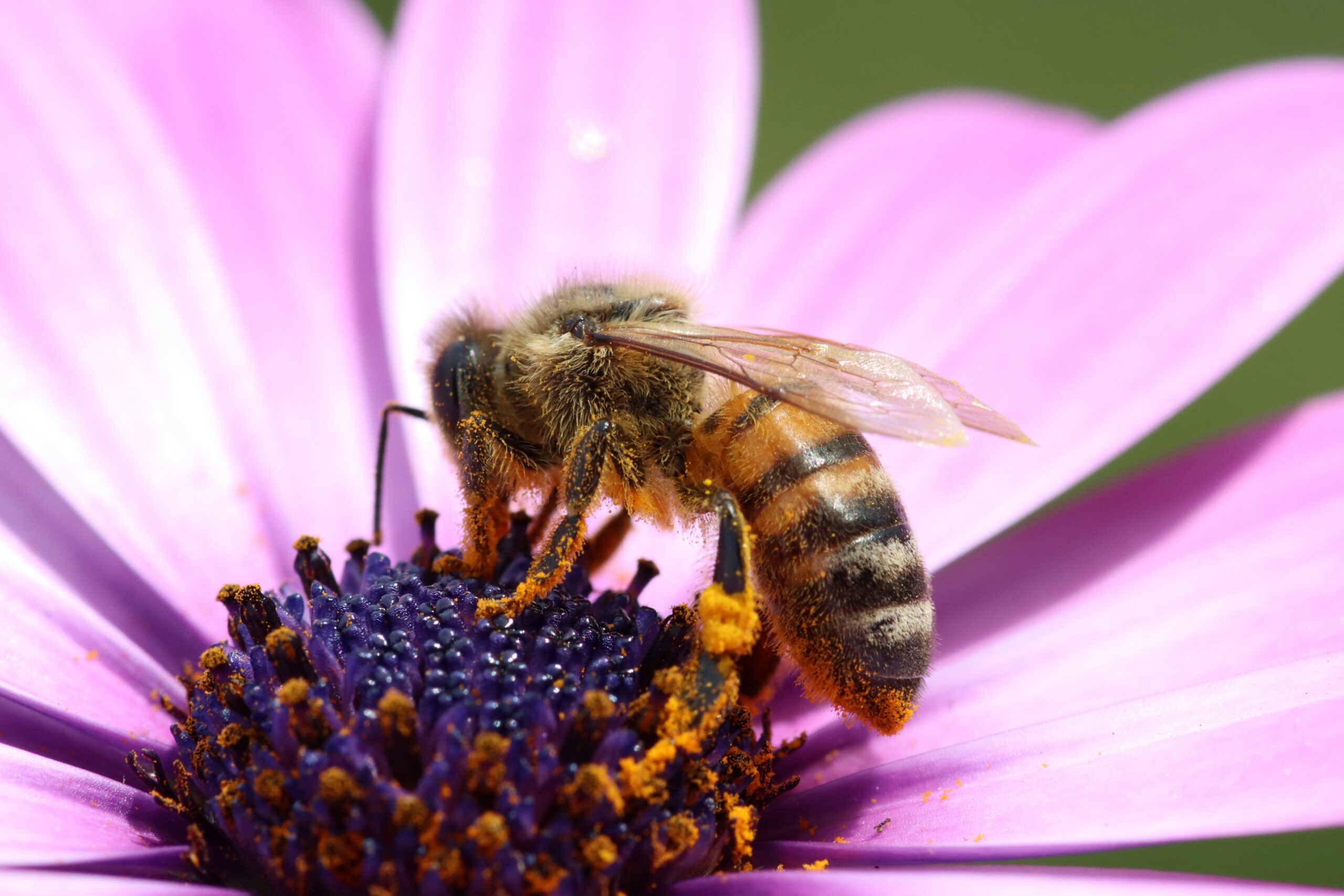
Create Better Habitat for Bees, Butterflies, Birds, and Wildlife
Wright Woods & Water helps landowners create and improve pollinator habitat that supports bees, butterflies, hummingbirds, songbirds, quail, turkey, deer, and other wildlife.
Pollinator habitat is more than a pretty patch of flowers. A well-planned habitat area can improve your land, support native wildlife, reduce mowing, improve soil health, and create a beautiful outdoor space that changes with the seasons.
As a family-owned land and outdoor services company, we help property owners plan practical pollinator areas that fit their land, their goals, and the wildlife they want to support.
Why Pollinator Habitat Matters
Pollinators play an important role in healthy land. Bees, butterflies, moths, beetles, hummingbirds, and other pollinators help plants reproduce, support food production, and strengthen the natural food chain.
A good pollinator planting can also benefit game and non-game wildlife. Native flowers, grasses, and cover plants can provide seed, insects, nesting areas, brood-rearing habitat, and travel cover for many species.
Pollinator habitat can be a great fit for:
- Field edges
- Unused open areas
- Pond banks
- Roadsides
- Utility rights-of-way
- Wildlife openings
- Farm borders
- Hunting land
- Recreational property
- Residential acreage
Our Pollinator Habitat Services
Wright Woods & Water helps landowners create pollinator habitat that is useful, attractive, and manageable.
Our services may include:
- Site evaluation
- Pollinator habitat planning
- Native wildflower and grass recommendations
- Seed mix recommendations
- Planting area layout
- Soil and site preparation guidance
- Weed control planning
- Seasonal maintenance recommendations
- Wildlife habitat integration
- Long-term improvement planning
Every property is different. We look at the soil, sunlight, drainage, existing vegetation, wildlife goals, and maintenance needs before recommending a plan.
Designed for Pollinators and Wildlife
A strong pollinator habitat should provide more than one season of bloom. The best areas include a mix of plants that flower at different times of the year, provide cover, and support insects and wildlife through multiple seasons.
Depending on your property, a pollinator habitat plan may include:
- Spring-blooming flowers
- Summer-blooming flowers
- Fall-blooming flowers
- Native grasses
- Host plants for butterflies
- Seed-producing plants for birds
- Cover plants for wildlife
- Low-maintenance natural areas
The goal is to create a habitat area that looks good, works hard, and supports the land throughout the year.
Pollinator Habitat for Hunting and Land Management
Pollinator habitat can also be part of a larger wildlife management plan. These areas can attract insects for turkey poults and quail chicks, provide edge cover for deer and small game, and improve the overall diversity of your property.
For hunting and recreational land, pollinator habitat may work well near:
- Food plots
- Field borders
- Logging decks
- Wildlife openings
- Pond edges
- Roads and trails
- Stand access routes
- Areas that are difficult to mow or maintain
When planned correctly, pollinator habitat can add beauty while also improving wildlife use across the property.
Site Preparation and Maintenance
Good pollinator habitat starts before the seed goes on the ground. Site preparation is one of the most important parts of the process.
We help landowners understand what needs to happen before planting, including weed control, timing, soil conditions, and long-term maintenance expectations.
Pollinator habitat usually takes patience. Some plantings may look thin at first while roots develop and desirable plants become established. With the right plan and maintenance, the area can improve each year.
Benefits of Pollinator Habitat
Creating pollinator habitat can help your property in many ways.
Benefits may include:
- More bees, butterflies, and beneficial insects
- Better wildlife habitat
- Improved seasonal color
- Reduced mowing in selected areas
- More natural food and cover
- Improved field edges and transition areas
- Better land stewardship
- A more attractive and useful property
Pollinator habitat is a practical way to turn unused or underused land into something that supports both beauty and wildlife.
Who We Help
Wright Woods & Water works with landowners who want to improve their property and support wildlife.
Our pollinator habitat services are a good fit for:
- Private landowners
- Farm owners
- Timberland owners
- Recreational property owners
- Hunting clubs
- Pond owners
- Families with rural land
- Landowners interested in conservation
- Property owners wanting less mowing and more natural beauty
Whether you want a small pollinator patch or a larger habitat area, we can help you plan the right approach.
Start Your Pollinator Habitat Project
If you are ready to create pollinator habitat on your property, Wright Woods & Water would be glad to talk with you.
Tell us about your land, your goals, and the area you want to improve. We can help you decide where pollinator habitat makes sense and how to get started.
Contact Wright Woods & Water
Ready to create better habitat for pollinators and wildlife?
Contact Wright Woods & Water today to discuss pollinator habitat planning, native planting recommendations, wildlife habitat improvement, and long-term land stewardship.
Request a consultation today and start turning your land into better habitat.